Every night,
you leave.
The lamp is off. The ceiling stays where it is. Somewhere behind your eyes a long, careful procedure begins, the same one it ran last night and the night before. It has four movements, and you will sit through each of them several times before morning.
You won't remember any of it. So here it is.
N1 23:31 · a few minutes · about 5% of a night
The drift
Your muscles let go. The thoughts keep arriving, but they come loose from their sentences, and the sentences come loose from you. A voice says your name. Someone you haven't seen in years is standing in a kitchen you don't own. None of it feels strange yet.
This half-state has a name, hypnagogia. The brain's rhythm slows from the busy waking alpha into theta, and the line between thinking and dreaming wears thin. It is easy to wake from. One sound and you're back.
and then you trip on nothing
That was a hypnic jerk. Most people know the feeling: a sudden fall, a full-body twitch, a heartbeat of panic. Nobody is quite sure why it happens. One old guess is that the brain mistakes the body's sudden slackness for falling, and grabs.
N2 23:40 · about half of every night
spindles
11–16 HzWatch the trace. Every few seconds it gathers itself into a quick, tight burst that swells and fades within a second or two: a sleep spindle. They come from a loop between the thalamus and the cortex.
KThe occasional big, slow dip is a K-complex. A door slams downstairs, and your brain registers it, decides it doesn't matter, and keeps you under.
~50%Spindles are tied to holding on to what you learned today. You spend more of the night here than in any other stage. It isn't deep yet, but you are no longer listening.
N3 00:05 · slow-wave sleep · mostly before 03:00
The tide
comes in
The trace gets big, slow and patient: whole populations of neurons firing together, then falling silent together, roughly once a second. This is the deepest you go. Your breathing evens out, your heart slows, growth hormone surges. If someone woke you now, you would come up confused, as if surfacing from deep water.
Then something stranger. In 2019, researchers watching sleepers in an MRI scanner saw slow waves of cerebrospinal fluid pulsing through the brain during non-REM sleep, about every twenty seconds, each one following a ripple of slow electrical activity. Experiments in mice suggest that this kind of flow helps rinse out the day's waste.
next wave in 20 s
REM 01:06 · short at first, longest just before morning
Your body goes limp.
Your brain does not.
Your brain lights up almost as if you were awake. Almost every muscle switches off, apart from the ones that move your eyes and keep you breathing. Behind closed lids your eyes dart, tracking something nobody else can see. Dreams happen in other stages too, but this is where the vivid, impossible ones live.




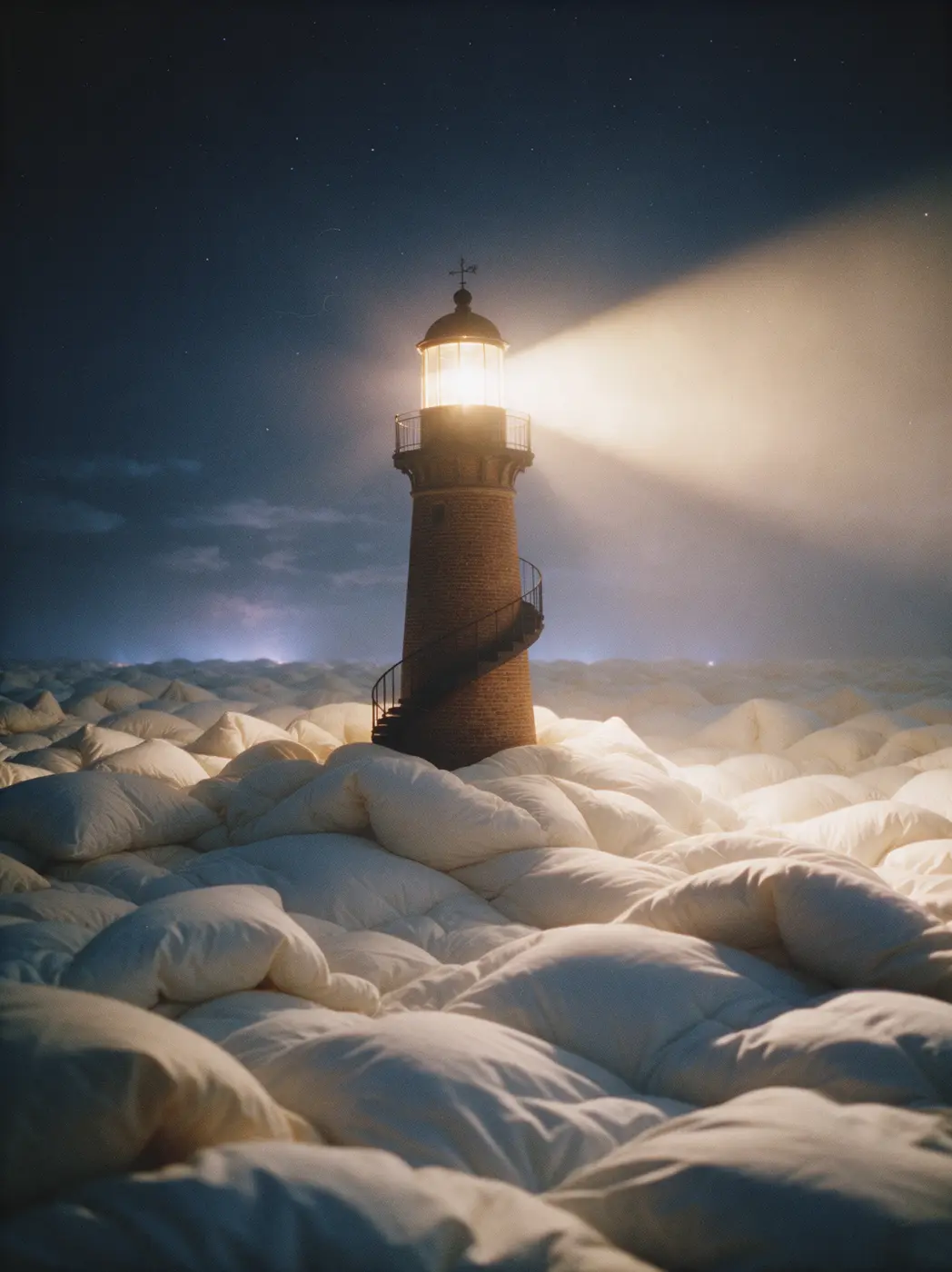

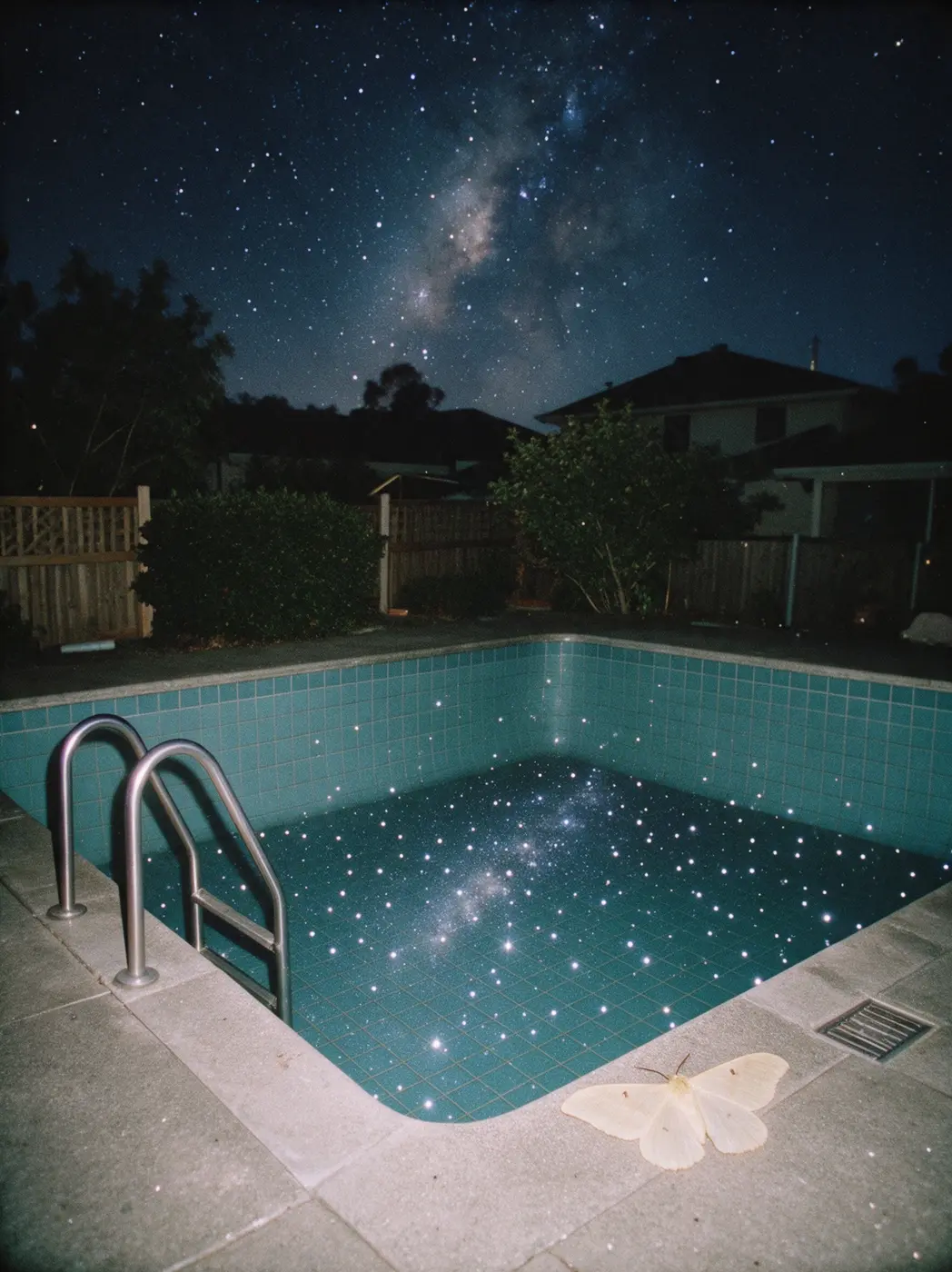

Again. And again.
01:28
That was one cycle, about 90 minutes. You'll run four or five of them tonight.
Deep sleep crowds into the first half of the night. Each later dive is shallower.
03:10 You woke up just now. For half a minute you were here. You won't remember.
As the night goes on, REM takes over. The last dream is usually the longest.
Most of the dreams you remember come from the end, when morning is close.
07:02
And then, without asking,
you come back.
You'll forget nearly all of it: the spindles, the tide, the whale. That's fine. It wasn't for you. It was for the morning, and the morning is here.
Sources: Fultz et al., Science 366 (2019); Xie et al., Science 342 (2013); NHLBI, Sleep Stages; AASM scoring manual.
Clock, pulse and traces show an illustrative night, not a recording. Dream images generated for this page.